
Who We Are
The Bureau of Business Research is the primary in-house research unit of the IC² Institute. Founded in 1926, the BBR is known for its analysis of industries and trends critical to the Texas economy. The BBR team includes experts from operations research, decision science, economics, business and entrepreneurship, public policy, and information science.
What We Do
Today’s BBR engages in two primary streams of work:
- Customized assessments, measurements and impact studies. This quantitative and qualitative work supports strategic planning for clients such as governments, universities and nonprofit agencies.
- Applied research at the intersection of behavioral, decision and data science. Through research and modeling, the BBR helps decision makers disrupt negative behaviors (such as labor exploitation and wildlife trafficking) and cultivate positive behaviors (such as industry cooperation and community resilience.)

Behavioral and Decision Modeling
We design dashboards and other analytical tools to support decision making. By applying the latest AI and machine learning methods, our team turns data into knowledge — helping our partners understand trends, predict outcomes and make optimized choices.

Surveys
and Focus Groups
The BBR frequently deploys surveys, interviews and focus groups to collect valuable insights about a given issue or subject. In many cases, we use those insights to build the foundation for our computational research.

Customized, Interdisciplinary Research
A hallmark of BBR research is our interdisciplinary, bespoke approach: We assemble custom-fit teams – often recruiting faculty, students, and industry and community leaders to collaborate and contribute subject matter expertise.
Economic Impact
Analysis
The BBR examines job creation, tax generation, spending impacts and other metrics to help decision-makers around the state of Texas understand the potential impacts of a project, investment or policy.

Targeted Entrepreneurial Training
The BBR and the IC² Institute have mentored hundreds of business owners and startups. Today, we’re training entrepreneurs through our Readiness Training Program for Historically Underutilized Businesses.
Click below to see recent examples:

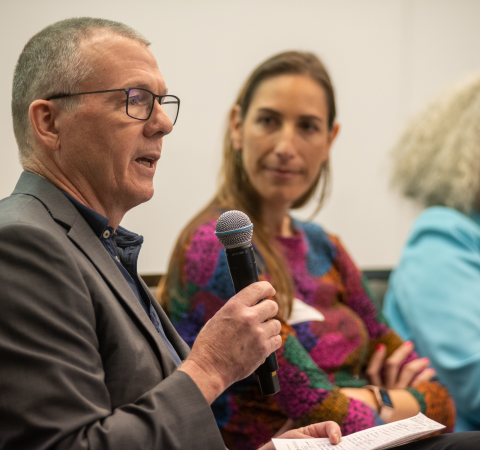
Meet our Director
The BBR has made its mark as a University research center that delivers quantitative and qualitative analysis in support of the Texas economy. As we approach 100 years, we’re evolving. Our new vision? To become a leading interdisciplinary center that addresses complex social challenges by leveraging data, decision and behavioral sciences. We’re strengthening our capacity to deliver evidence-based insights across a range of domains — ultimately, empowering policy-makers to build a prosperous, equitable and resilient society.
-Matt Kammer-Kerwick
BBR Featured Projects

Texas Public Libraries – Digital Literacy
Comprehensive report based on data from 300+ Texas libraries. Research focuses on libraries’ efforts to enhance digital literacy. Prepared for the Texas State Library and Archives Commission.
Dell Medical School: Impact on Innovation
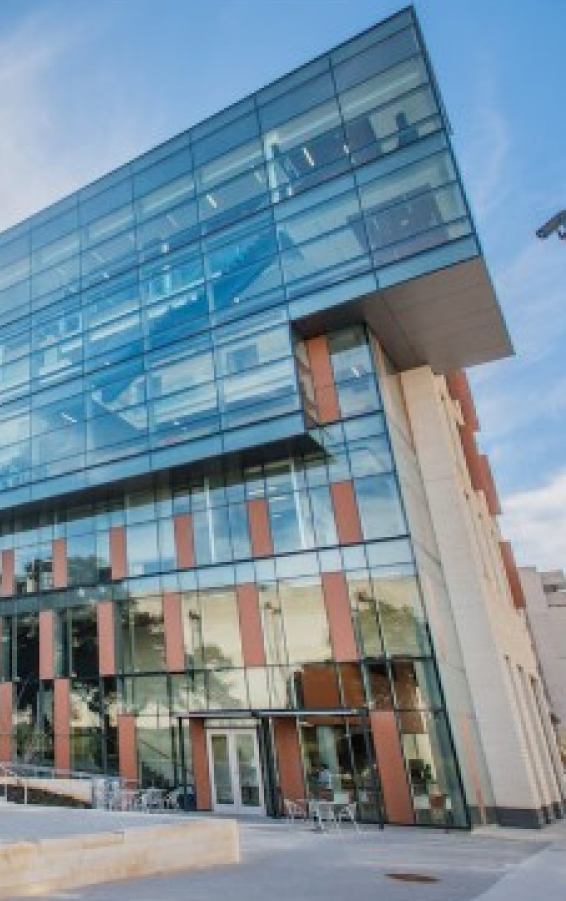
Quantitative and qualitative analysis of the economic impact of Dell Medical School in its first 8 years. Highlights Dell Med’s innovative strategies for bringing health/medical products to the market.

Human Trafficking By the Numbers
Groundbreaking report that quantifies the impact of human trafficking in Texas – both in terms of number of victims and economic cost to the state.
Nuclear SMRs: Economic Impact in Texas
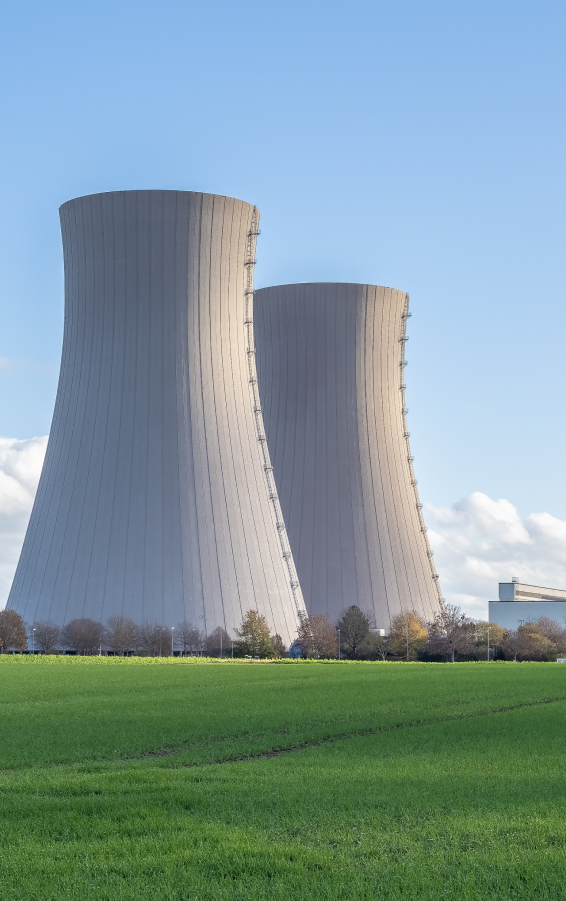
Economic impact analysis of a future nuclear small modular reactor industry in Texas. Analysis includes grid modeling supplied by the Webber Group.
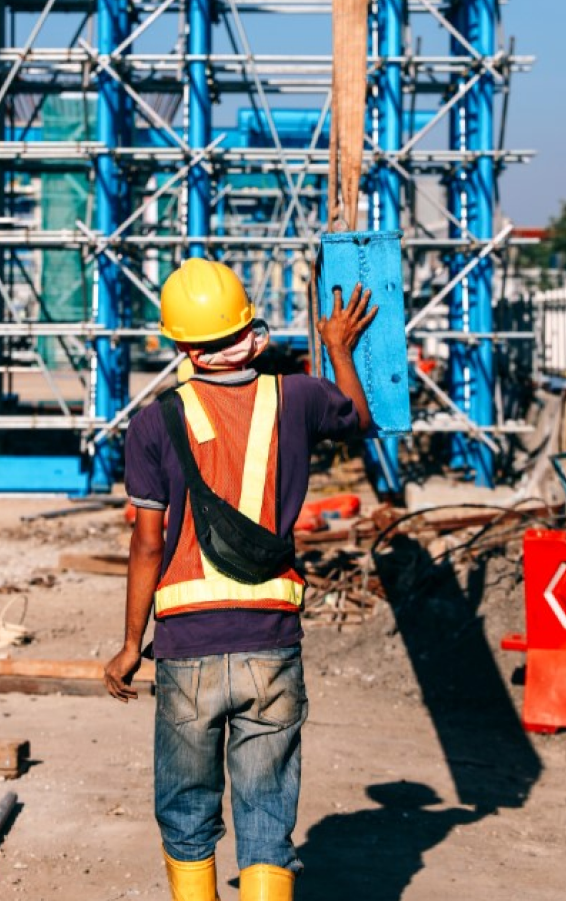
Interventions to Address Labor Exploitation
Case study exploring potential interventions to address day laborer exploitation (primarily wage theft) by employers. Part of an ongoing, five-year, NSF-funded research initiative.

Exploration of Wildlife Trafficking in South Africa
Ongoing research into illicit wildlife trade and potential transmission of pathogens in and around South African game parks. Research is part of an interdisciplinary, multi-university project.
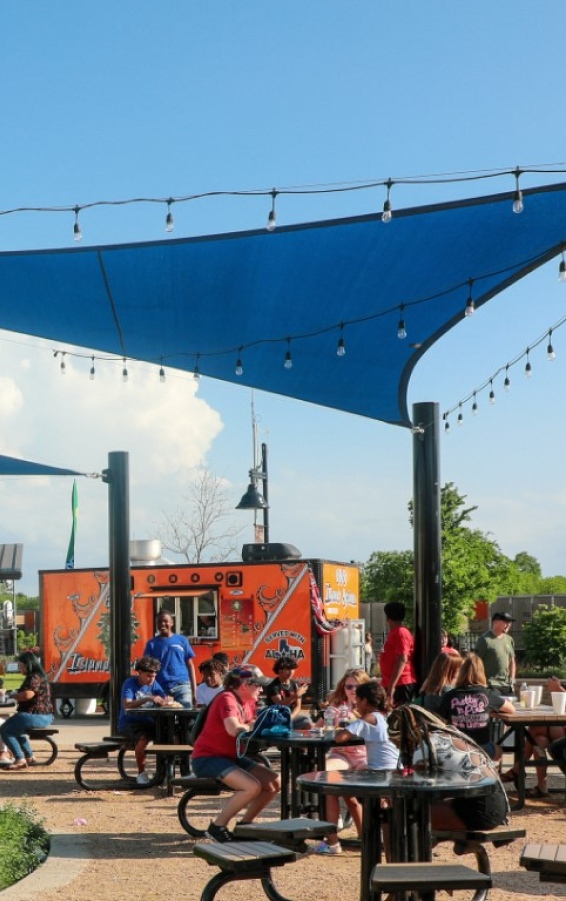
Community Perspectives on Economic Development
A survey of 7000+ residents in smaller towns across Texas illuminates challenges as these towns work to improve infrastructure, retain workers, and enhance quality of life.

UT Student Volunteers: Economic Impact
UT students volunteer their time in a myriad of ways across campus and the city. Conducted in partnership with the UT Division of Student Affairs, this study quantifies the students’ economic impact and highlights job skills acquired through volunteering.

A Prosperity Index for Austin
Ongoing effort to help the City of Austin Office of Innovation refine an index designed to measure and understand the prosperity of Austin’s neighborhoods to guide decision-making.
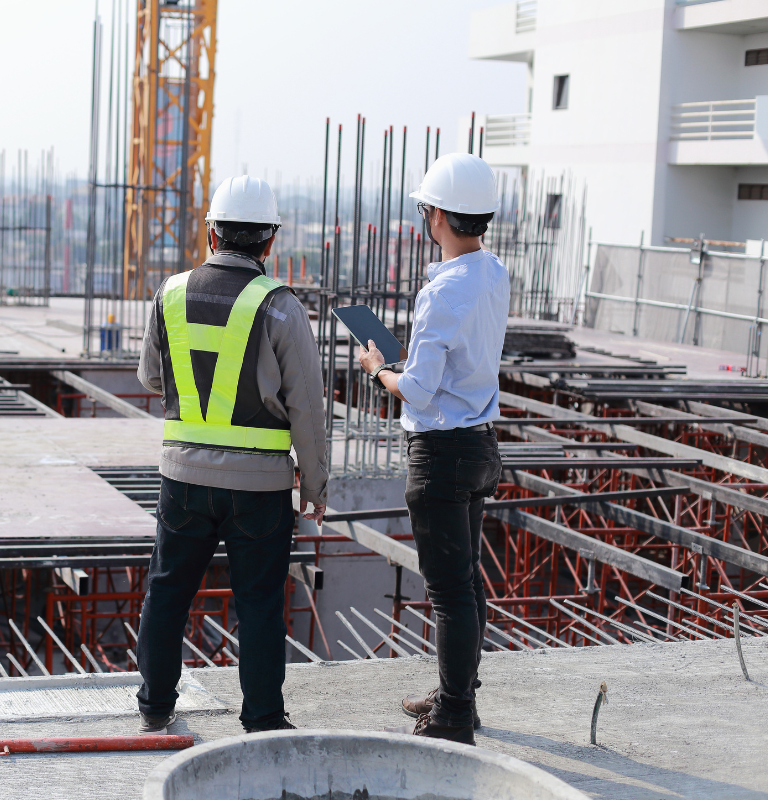
Testing the “Neighborhood Model" for Multi-Project Delivery
Exploring the appeal and feasibility of applying a "neighborhood" model — based on trust, cooperation and shared risk and reward — to commercial construction projects. The study suggests that the neighborhood model could be applied to other complex industries such as health care and technology development.
Partners and Collaborators
Recent partners include the National Science Foundation, the Construction Industry Institute, the Defense Threat Reduction Agency, Travis County, City of Austin Office of Innovation, Austin Independent School District, Capital Metro, Dell Medical School, Texas State Library and Archives Commission, Office of the Executive Vice President and Provost.