

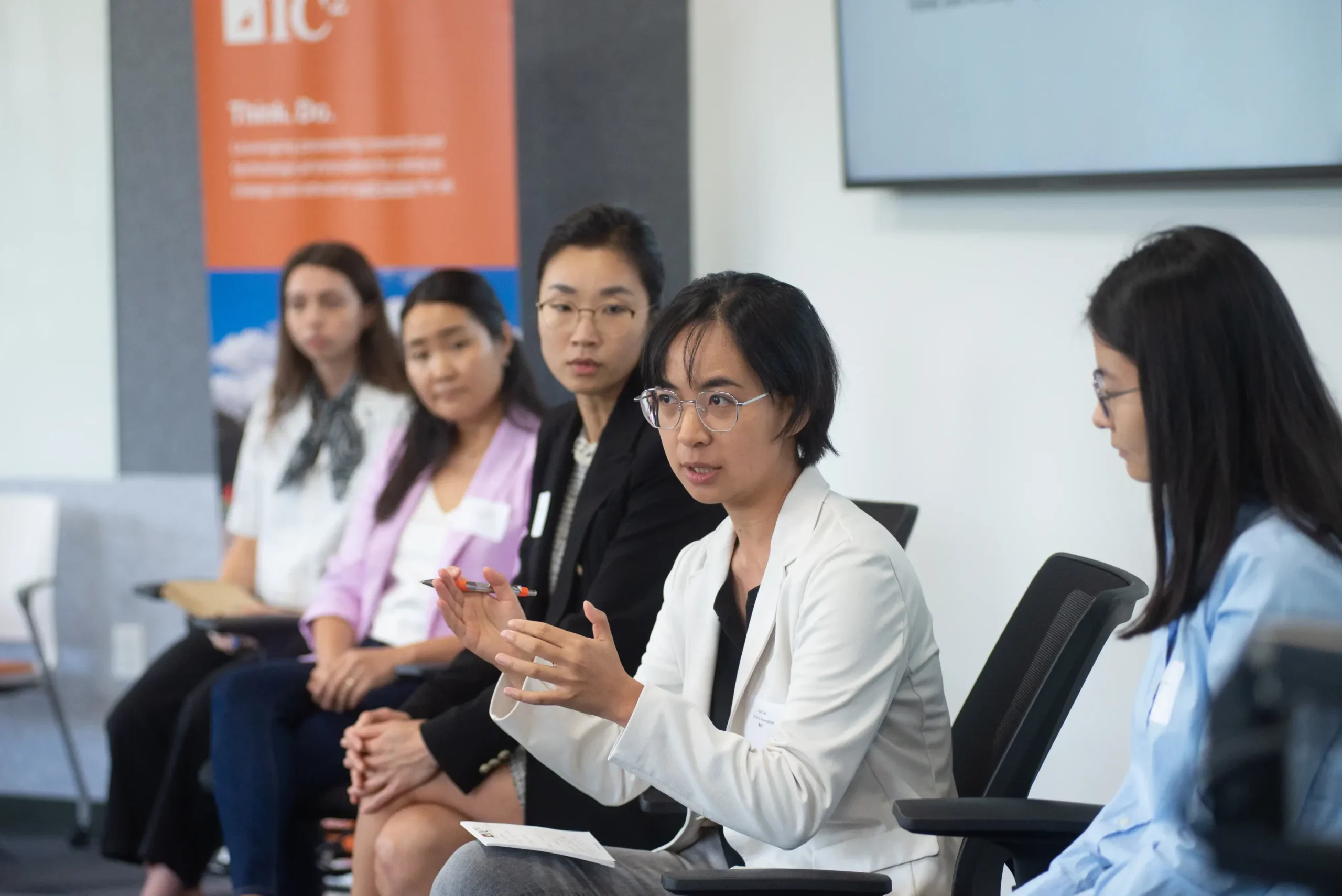
What is the Graduate Research Fellowship?
The IC² Institute Graduate Research Fellowship, launched in 2025, supports outstanding graduate students conducting thesis or dissertation research in areas aligned with IC²’s mission to advance technology-driven innovation. Fellows receive a financial award and encouragement from the IC² team, plus a built-in community of peers, each working to complete cutting-edge research on related topics.
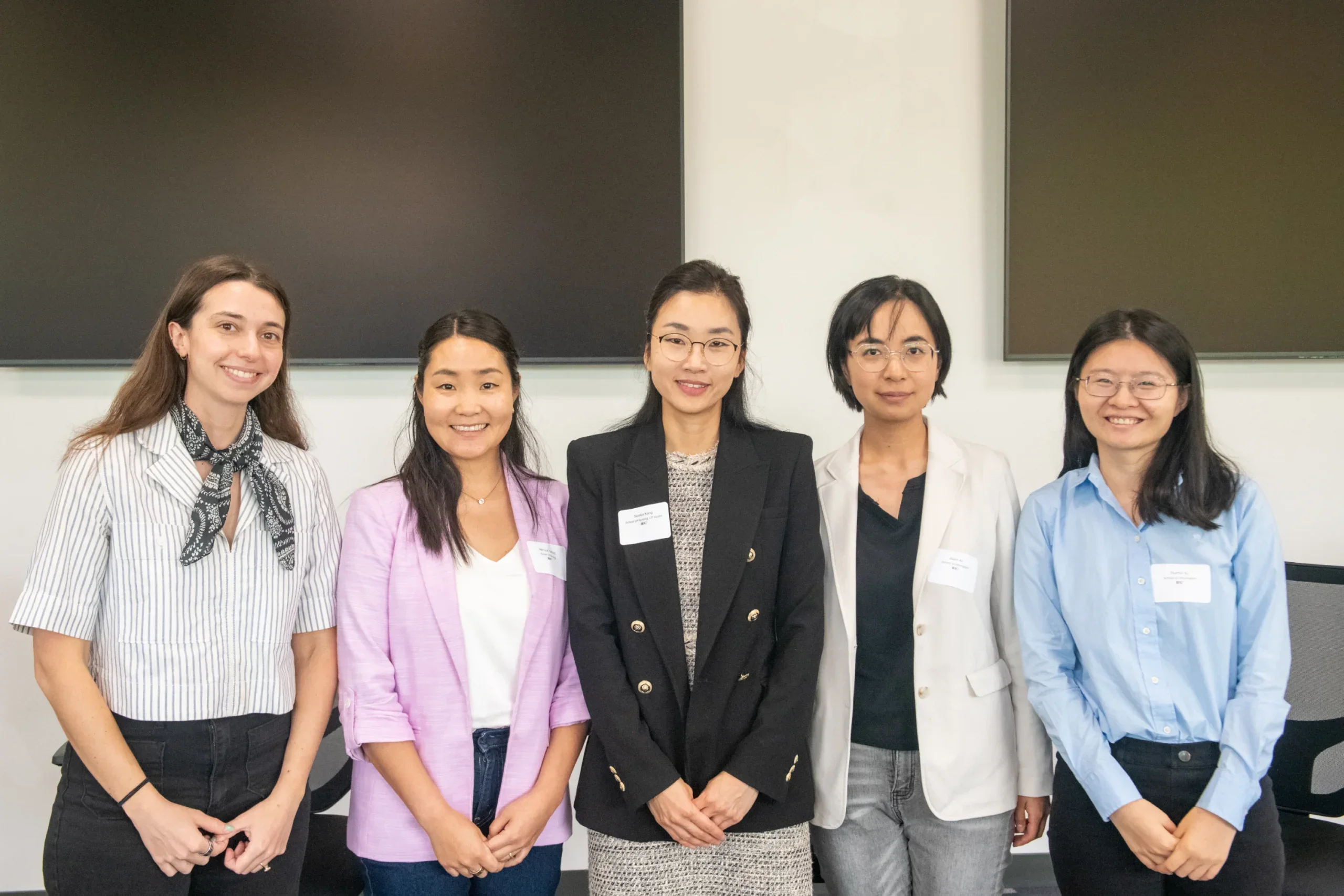
The program has been an incredibly valuable experience — providing not only financial support but also meaningful feedback from the IC² team. It also created opportunities to learn about research across disciplines, which I see as a strong foundation for future collaborations.
– Graduate Fellow
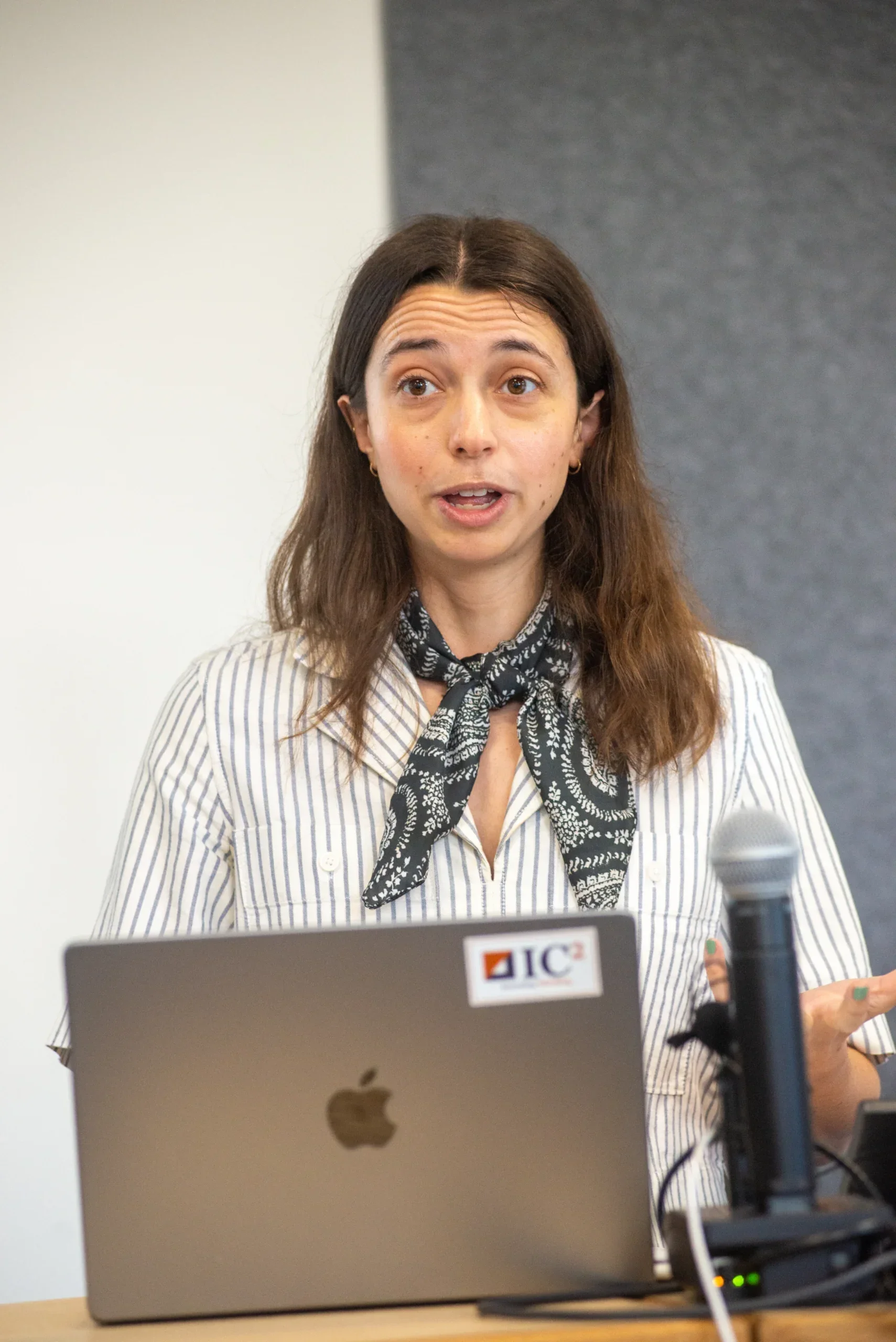
How to Apply
Applications for the 2026-2027 academic year are open through Ocotber 9, 2026. For the 2026-2027 cohort, we are seeking students whose research focuses on agentic AI and engages withone or more stages of the agentic AI lifecycle, including:
- Design
- Deployment
- Monitoring & Evaluation
- Human-AI Interaction & Work Transformation
- Governance & Oversight
A stipend will be awarded to each fellow to be used for research-related travel, data access, services and materials. Selected students are expected to present their research at several online and in-person events, including the end-of-year Graduate Research Showcase.
Meet our 2025-2026 Cohort
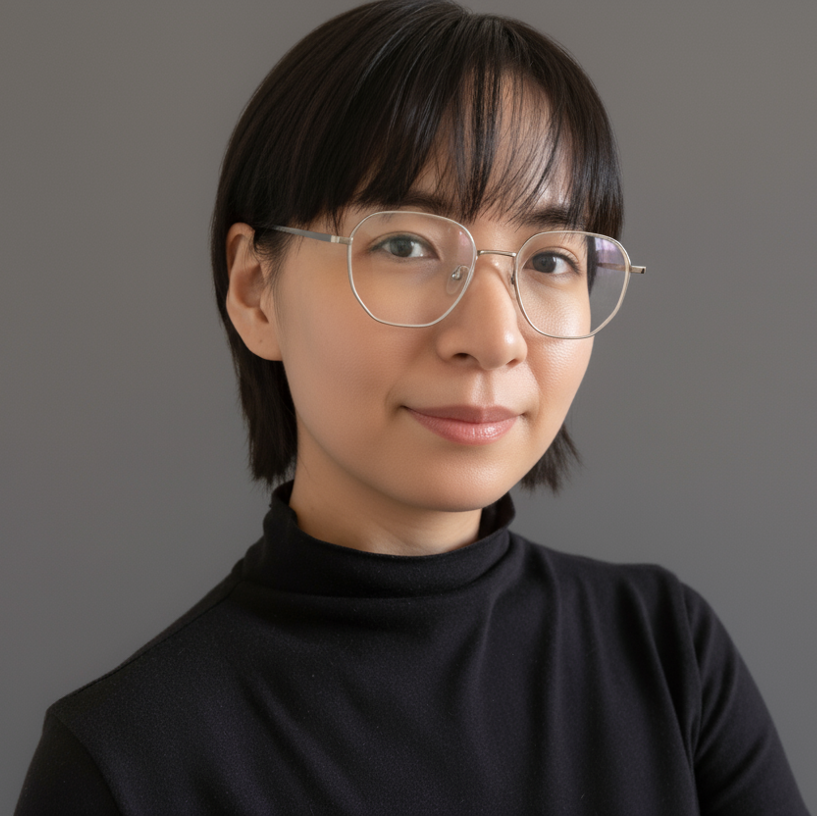
Jiaxin An
Autonomy in Older Adults’ Health Learning and Decision-Making with GenAI-Powered Conversational Agents
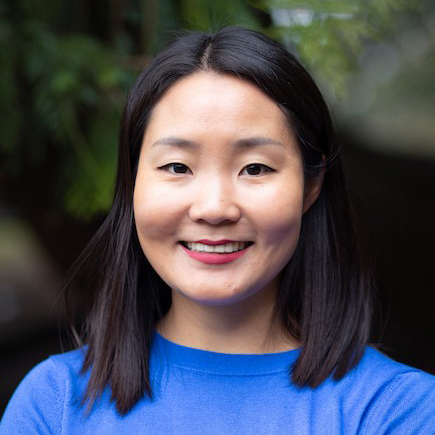
A Ph.D. candidate in the School of Information, Jiaxin is studying ethical, empathetic agentic systems and human-AI interaction. With degrees in library science and psychology from Peking University, Jiaxin has focused her research on preserving the autonomy of aging populations as they seek digital health information. She is addressing this crucial question: How can we support older adults’ sense of agency and independence through AI conversational features and design elements?
Namuun Clifford
Toward Precision Digital Health in Cardiovascular Disease: Characterizing Engagement Phenotypes and Trajectories to Improve Outcomes
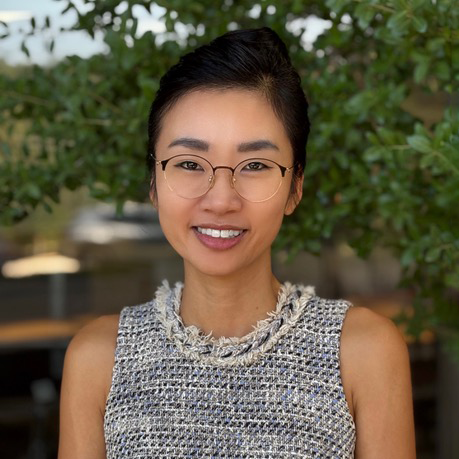
Namuun Clifford is a primary care nurse practioner and Ph.D. candidate in the UT School of Nursing. Her research sits at the intersection of precision digital health, cardiovascular disease and data science. Acknowledging that digital health tools can lead to improved outcomes, but only when patients engage with them, Namuun is focused on making technology-enabled health tools work better for every patient.
Sookja Kang
Digital Health and Maternal Care: Empirical Foundations for Equitable AI Innovation
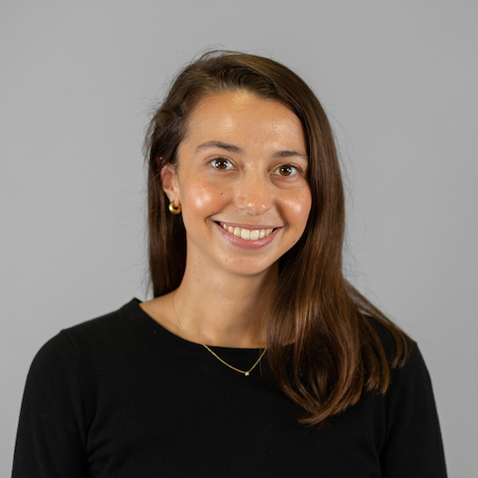
A former practicing nurse, Sookja Kang is a Ph.D. student in Nursing Science focusing on digital and maternal health. Using qualitative and quantitative methods, Sookja examines how digital platforms enhance health resource utilization among diverse childbearing-age populations. Her future work will expand to AI applications to address gaps and improve maternal health outcomes.
Rachel Tunis
Human Needs Beyond Health Data: Designing Self-Care Technologies that Support Everyday Decison-Making and Wellbeing
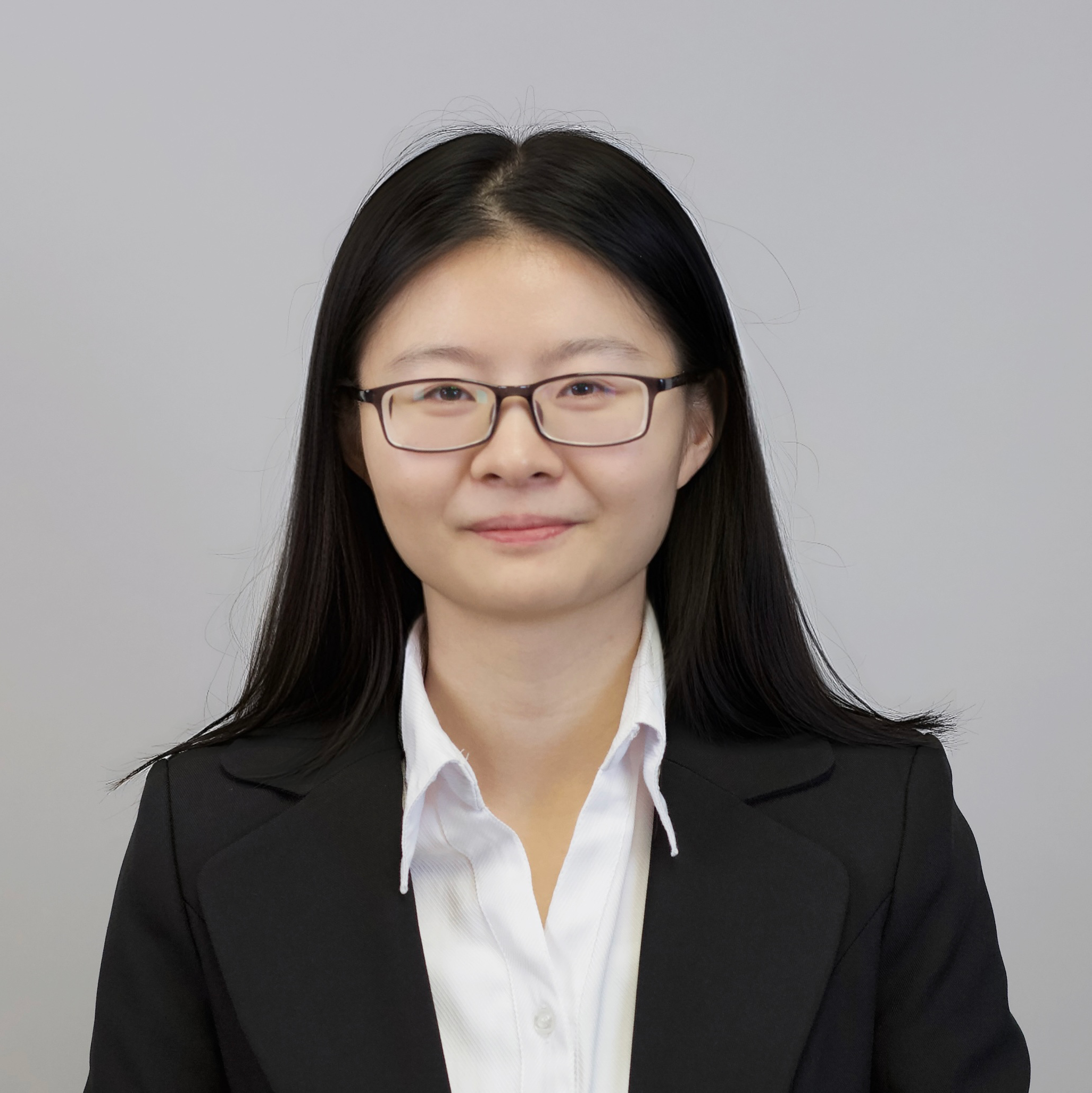
Rachel is a Ph.D. candidate in the School of Information where she studies self-care technologies for chronic condition management. She is a mixed-methods researcher whose background includes working on the design team at Withings and as part of a clinical research team at the UT School of Nursing. Rachel is working to understand how patients’ life circumstances, day-to-day self care routines, and unique psychosocial characteristics impact engagement with SCTs.
Huimin Xu
Adapting to Generative AI: How the Scientific Workforce is Reshaping Team Collaboration and Knowledge Production
A Ph.D. candidate in the School of Information, Huimin is interested in understanding how human-AI collaboration shapes teamwork in science and health. As AI agents increasingly participate in health teams, they are reshaping leadership and creativity. Huimin is working to answer the question, “How can we ensure that human-AI collaboration improves clinical insight, avoids bias, and supports inclusive, reliable health decision-making?

Questions?
Questions about the Fellows program, awardee requirements, or application process?